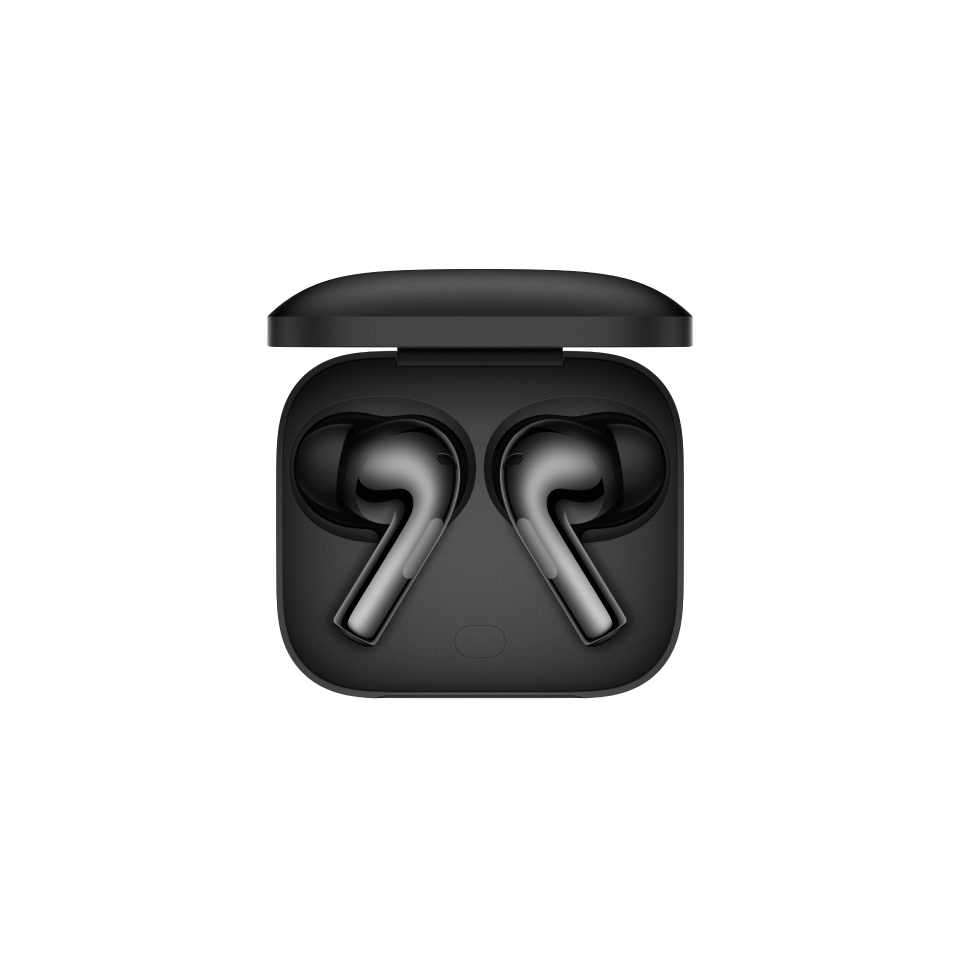
OnePlus Buds 3 combine dual drivers, ANC, touch-volume control and a substantial companion-app feature set in an established affordable model. They are not Buds Pro 3, and their appeal should not depend on being bundled with a OnePlus phone. At a sensible current price they can be worthwhile independently, provided the bass-forward presentation and source requirements suit the listener.
Research-based review. This assessment draws on manufacturer documentation and the original published evaluations linked below. Audio Review has not performed a hands-on test of this model.
Bass is a deliberate part of the decision
TechRadar’s original test finds the bass too dominant for its preferred balance, while acknowledging the strong feature package. RTINGS also identifies a prominent bass emphasis, although its overall listening and use assessment is less dismissive. The two accounts make clear that these are not a universally neutral recommendation.
Try a familiar vocal and a busy arrangement at a comfortable level. Listen for whether the low end supports the track or obscures the lines you normally follow. If using EQ, make one change at a time and compare with the original setting. A listener who enjoys a powerful low-frequency foundation may find the character appealing, while someone prioritising lighter voices or a restrained balance may prefer another pair. The useful recommendation is therefore conditional on taste rather than an assumption that dual drivers automatically deliver the right tuning.
Fit and isolation work together
The official specification gives a 4.8-gram weight per bud and IP55 protection for the earbuds. RTINGS finds the fit comfortable and the noise-isolation performance useful for ordinary travel. Those are encouraging findings, but ear shape and tip selection still determine the individual result.
Try the supplied sizes on each side and check the seal while talking and moving normally. A loose fit can make both bass and isolation less consistent, while a tip that feels secure for a minute may become uncomfortable later. For commuting, assess the actual noise environment rather than only the quiet-room sound. For exercise, check stability with the movements involved before relying on the earbuds outdoors. A protection rating does not turn them into swimming equipment, and the charging case should be kept separate from any assumption about the buds’ resistance.
Read the battery modes instead of one large total
OnePlus lists ten hours from the buds and 44 hours including the case with AAC and ANC off under its conditions. With AAC and ANC on, the figures become 6.5 and 28 hours; with LHDC and ANC on, they are 5.5 and 24. These are manufacturer claims, not interchangeable results.
For a long journey or work session, the continuous bud figure matters more than the case total. The case can recharge the earbuds, but that requires a break in listening. Choose settings according to the session and leave a margin for calls, level changes and battery ageing. If buying used or remaining stock, check charging contacts and practical endurance rather than relying on the original launch specifications. A large combined number is useful only when its listening conditions and required charging breaks fit the way the product will be used.
LHDC needs the right phone
The supported music codecs are LHDC, AAC and SBC. LHDC support on the earbuds does not mean every Android phone, computer or iPhone can negotiate it. General Bluetooth compatibility and a particular high-resolution codec are different questions.
Confirm the intended source before buying specifically for LHDC. If the phone uses AAC or SBC, evaluate the actual sound and functions available through that connection instead of treating the product as unusable or assuming a hidden setting adds a missing codec. Check application compatibility and the current setup instructions as well. The strongest value case is a complete experience that works with the device already owned, not a feature that becomes useful only after an unplanned phone upgrade. Codec names should inform the connection check without replacing fit, tuning and everyday reliability in the purchase decision.
Controls and two-device use need a practical trial
The official controls include swiping the stem for volume and tap gestures for other commands. App support provides configuration options, while dual connection allows an appropriate two-device routine. These conveniences should be tested with the actual phone and computer rather than inferred from the menu alone.
Try volume, pause, a call and the return to music. Confirm whether preferred controls need to be enabled and whether gestures can be triggered without disturbing the seal. A two-device connection does not promise simultaneous mixed playback or identical notification behaviour in every application. Keep the configuration understandable so accidental mode changes do not become a daily nuisance. If calls are central to the purchase, make one in the intended room and ask about clarity rather than judging only how the other person’s voice sounds in the earbuds.
An everyday pair, with gaming qualifications
RTINGS identifies significant delay in its Bluetooth gaming assessment despite the availability of a low-latency mode. That is a specific warning against reading a manufacturer’s latency claim as a universal result for every platform and application.
Test the game and source that matter during the return period. Video applications can compensate for delay differently from interactive games, so a successful film stream does not establish a good gaming connection. If timing is essential, compare a suitable wired or dedicated low-latency arrangement rather than forcing general-purpose earbuds into that role. For ordinary music and commuting, the Buds 3’s fit, isolation and controls may be more important. Compare current alternatives at their actual selling prices, because the older model is most attractive when its discount meaningfully compensates for any preference or feature compromise.
Alternatives to consider
Nothing Ear (2024): Nothing Ear is worth comparing for a different sound and control approach. Confirm phone compatibility and fit before deciding whether either feature set offers more value for your daily use.
Sony WF-C510: WF-C510 is relevant if the everyday fit and simple music role matter more than the OnePlus feature list. Compare the functions actually needed rather than assuming more options always produce a better purchase.
OnePlus Buds 3 key specifications
- Design
- In-ear true wireless
- Drivers per side
- 10.4 mm woofer and 6 mm tweeter
- Bluetooth
- 5.3
- Music codecs
- LHDC, AAC and SBC
- Connection
- Dual-device support
- Protection
- IP55 earbuds
- Bud weight
- 4.8 g each
- Manufacturer AAC playback
- 10 hours buds / 44 hours total, ANC off
- Manufacturer AAC playback with ANC
- 6.5 hours buds / 28 hours total
- Manufacturer LHDC playback with ANC
- 5.5 hours buds / 24 hours total
- Charging
- USB-C case
- Controls
- Touch gestures including swipe volume
Verdict
Buds 3 can be a strong-value everyday option for a listener who enjoys their bass-forward character and wants useful ANC and flexible controls. The original tests support that practical role while providing clear reasons to check tuning, microphone use and interactive delay.
Confirm source compatibility and compare continuous battery claims under the settings you will use. Choose them for a combination of fit, sound and convenience that works today, not for a phone-bundle reputation or a case-total number detached from its conditions. A newer alternative is worth considering if the price gap is small or the tonal balance remains unsuitable after an audition.
Documentation and original reviews
OnePlus official European Buds 3 specifications and battery conditions · RTINGS original Buds 3 fit, isolation and usage evaluation · TechRadar original Buds 3 sound and controls review
Editorial record
Sources and updates
Product specifications and factual claims were checked against Official OnePlus Buds 3 product page ↗. Scores and buying advice follow our category-specific editorial methodology.
- Published
- November 17, 2026
- Last updated
- November 17, 2026